

MICE
Thinking bigger in event planning: an inspiring Venetian story
Every corporate gathering is shaped by a sequence of choices. Some are immediately visible, from the venue to the setting, while others remain behind the scenes: the people involved, the materials selected and the relationships built across the destination. As sustainability becomes central to event planning, those choices are changing. Reducing waste, managing resources responsibly and working with trusted partners remain essential. Yet a further question is emerging: which projects does an event choose to support, and which stories does it invite guests to experience? This shift moves sustainability beyond the operational framework. It becomes part of the event’s content, creating a stronger connection between the company, the participants and the place hosting them.
A vineyard against the tide
Venissa offers a compelling example of how a locally rooted endeavour can become part of this wider conversation. Located within the Venetian lagoon, Venissa defines itself as a project of viticultural rejuvenation and sustainable hospitality. Its story began with the rediscovery of Dorona di Venezia, an indigenous grape variety that had adapted over centuries to the water’s saline conditions. After the great flood of 1966 erased much of Venice’s historic winemaking tradition, extensive research led to the identification of the last 88 surviving vines and, eventually, to the revival of the variety on the island of Mazzorbo. Its recovery brought back more than a grape: it restored knowledge, agricultural practices and a centuries-old relationship with an environment defined by the delicate balance between soil and water. Today, Dorona grows within a historic walled vineyard on land exposed to salt and high tides. From the world’s only hectare dedicated to this variety, Venissa produces a limited number of bottles each year, turning the wine into an expression of the lagoon’s resilience, fragility and cultural identity.

The lagoon at the heart of the gathering
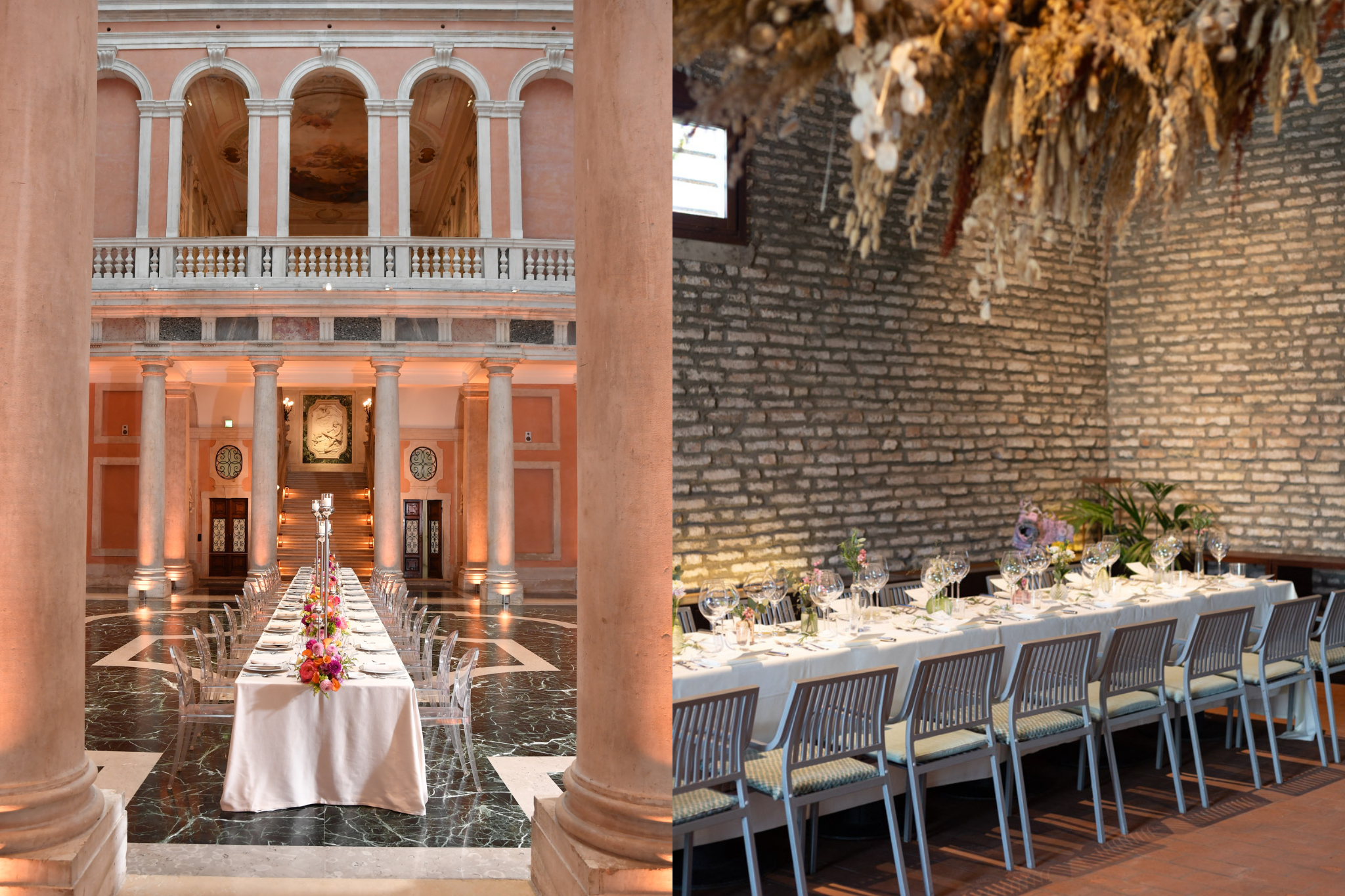
Venissa reveals a more nuanced portrait of Venice. Beyond its monumental architecture and celebrated cultural landmarks lies a living landscape shaped by agriculture, biodiversity and communities. It is a Venice that continues to evolve through those who safeguard its knowledge and respond creatively to the vulnerability of its environment. Bringing this vision into an event gives guests the opportunity to encounter the destination from a more intimate and unexpected perspective. This is where such an endeavour becomes particularly relevant to the MICE sector. Venissa’s story can enrich a corporate dinner, a gala evening, an incentive programme or a leadership gathering, creating a meaningful bond between the occasion and the territory in which it takes place. Rather than adding a sustainability claim to an existing format, the event gives space to a project that actively protects and interprets the lagoon. Crucially, this connection does not depend on the experience taking place at Venissa itself: its message can travel beyond Mazzorbo and enter different venues through its people, its philosophy and its interpretation of the area’s natural and cultural resources. In this way, even a formal corporate occasion in the heart of Venice can become an opportunity to reveal the fragile ecosystem that extends beyond the city’s most familiar image.
Sustainability with a sense of place
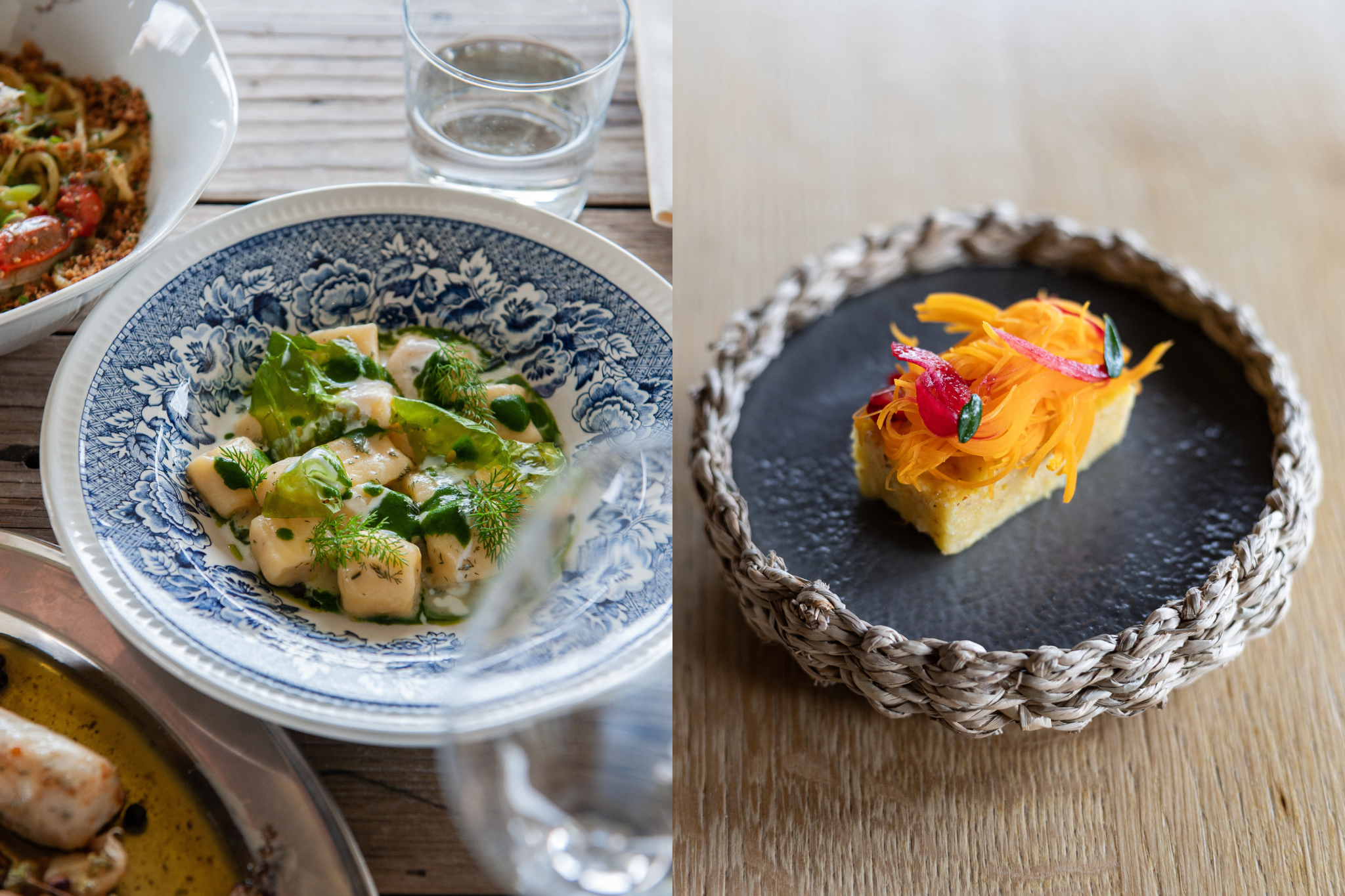
A sustainable event is often evaluated through measurable actions: lower consumption, careful sourcing, reduced waste and more responsible logistics. These indicators matter, yet they do not always translate into something guests can perceive directly. Projects such as Venissa can make sustainability tangible. Biodiversity, adaptation and the preservation of local heritage cease to be abstract principles and become a narrative experienced through the gathering. Its gastronomic expression is one part of this wider vision. Ristorante Venissa works closely with the ingredients and conditions of Native Venice, from wild herbs and vegetables grown on the estate to fish and seafood from the lagoon and the Upper Adriatic. Its commitment to sustainable practices has been recognised by the Michelin Green Star, alongside its Michelin Star for culinary quality. The award lends authority to the project, though its deeper value for an event lies elsewhere. It shows that environmental responsibility can be integrated into a sophisticated experience without becoming a separate theme. Participants encounter the result first; the story then gives it depth.
Where vision guides every choice
Choosing a supplier usually begins with a service. Choosing a project begins with a philosophy. For event planners, this introduces a more curatorial approach. A partner can provide expertise and execution while also bringing a cultural or environmental purpose into the programme. For companies, involving a locally rooted partner also influences the message communicated through the gathering. The decision reveals which forms of innovation, heritage and responsibility the organisation believes deserve attention and support. A brief introduction, an encounter with the people behind the initiative or a carefully designed narrative around one moment may be enough to offer guests a new perspective on the destination. Here, the role of the event planner evolves. Choosing a project rather than simply appointing a supplier allows sustainability to be truly experienced, giving greater depth to the relationship with the destination and supporting a story that continues long after the guests have left.
Related articles


italyscape@italyscape.com
+39 011 2293208
Lungo Dora Pietro Colletta, 75,
10154
Torino (TO)
10154
Torino (TO)